.png)
Running a cafe or restaurant leaves little time to sit around thinking of clever captions, and it shows. Feeds start looking the same: a plated dish, a caption about how "delicious" it is, then silence for a week. Meanwhile, more diners than ever are checking a venue's Instagram or Facebook before they book a table or walk in, so an inconsistent feed is doing quiet damage to bookings you never see. The good news is that a strong hospitality content strategy does not need a full production crew or hours of planning each week. Here are ten content ideas that consistently perform well for cafes and restaurants, along with how to actually pull each one off.
People are far more interested in the process than the finished plate. A quick video of the morning prep, the coffee being pulled, or the pass during a busy Friday night tends to outperform another static photo of a dish.
Tip: film it on your phone and keep it under 15 seconds. The rougher the footage, the more authentic it feels, so post it as a Reel or Story rather than a polished video.
Regulars come back for the food, but they stay loyal to the people. A short post introducing your head chef, your longest serving barista, or the person who makes the pasta from scratch every morning builds a connection that a menu photo never will.
Tip: one photo, their name, and one thing they love making. It takes five minutes and gives your team a reason to share it themselves.
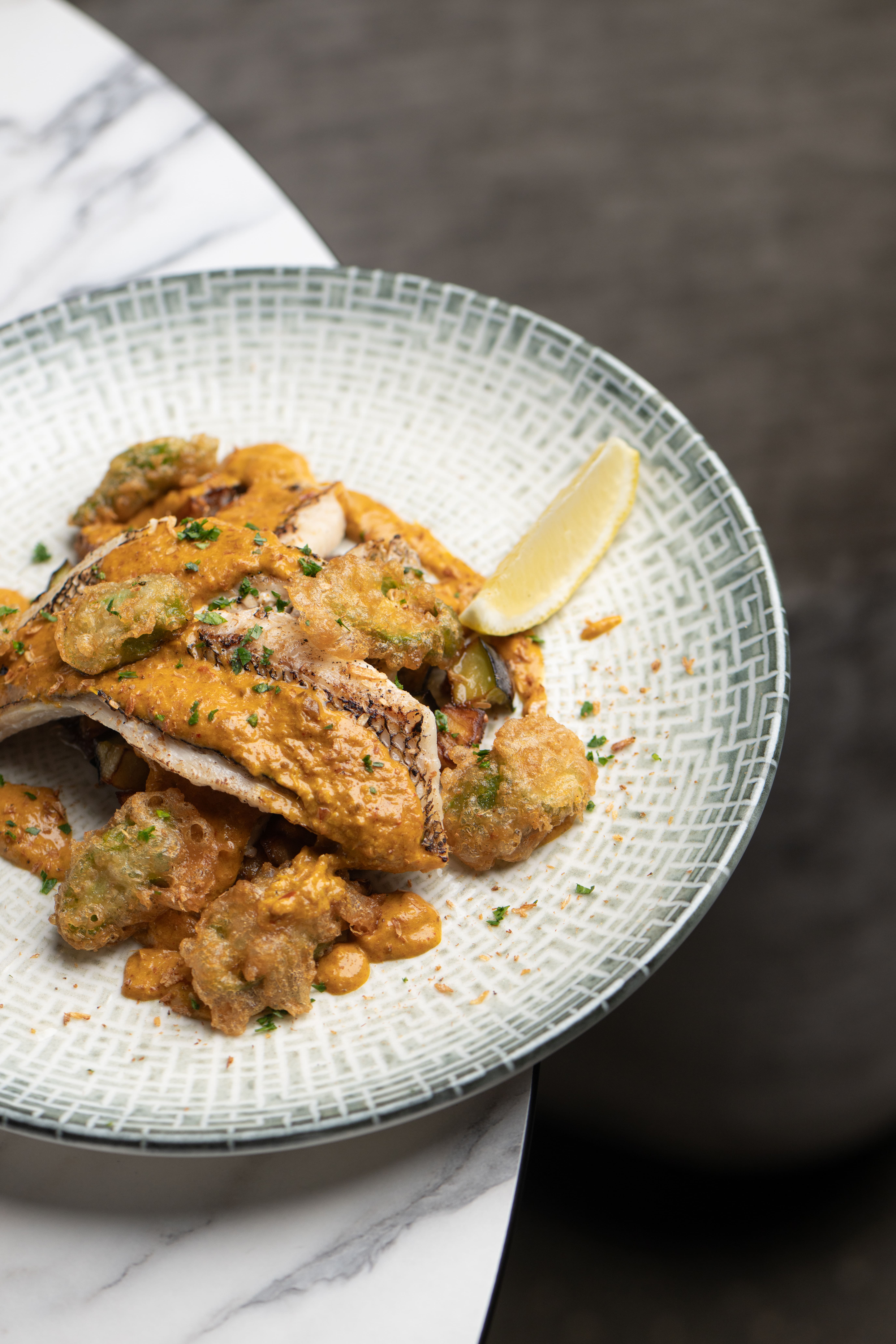
Rather than a studio style shot with perfect lighting, show the dish the way a customer would actually see it arrive at their table. It reads as more trustworthy and it is far easier to produce consistently.
Tip: if it looks too polished, some diners assume it will not match what actually arrives at their table. Shoot it the way it really looks.
A simple, recurring post format covering events, live music, specials, or trading hours over a long weekend. Customers save these and refer back to them, which is good for reach.
Tip: post it the same day and time each week, and pin it to your grid or story highlights so it stays easy to find.
If you are sourcing from a local butcher, roaster, or grower, tell that story. It adds credibility to your menu and it is content that largely writes itself.
Tip: tag the supplier directly. Most will repost it to their own audience, putting your venue in front of a new group of people for free.
If a customer tags you in a photo that actually looks good, repost it. This kind of user generated content costs nothing to produce and works because people trust other diners more than they trust branded posts.
Tip: always ask permission before reposting, and credit the customer in your caption.
Rolling pasta, plating a dessert, pulling a shot, tossing a wok. These short process clips are some of the most reliably well performing content for hospitality accounts, particularly as Reels.
Tip: keep it short and unscripted. The process itself is the hook, so let it play out without narration.
Short vertical video is the format most platforms are actively pushing right now, and it tends to reach far beyond your existing followers compared with a static photo.
Tip: one clear moment, natural sound, and a caption that adds context rather than repeating what's already on screen.
Content brings people to your page, but engagement is what convinces them to actually book. Replying to comments, messages and reviews signals that a real business is on the other end.
Tip: reply to reviews within a day or two, even the negative ones, and keep it calm and specific.
Social media gets most of the attention, but plenty of new customers still find a venue through a Google search first. It takes a few minutes and it is one of the easiest wins most hospitality venues leave on the table.
Tip: update your Google Business Profile with the same specials and photos you post to Instagram.
There is no single correct posting schedule, but this mix works well for most cafes and restaurants:
• Two to three short videos or Reels, drawn from ideas 1, 7 and 8 above
• One carousel post walking through a dish or an upcoming event
• Stories most days for anything smaller, such as a shift update, a sold-out special, or a staff pick
Consistency matters more than volume. A realistic four to five posts a week, kept up every week, will outperform a burst of daily posting that quietly stops after a month.
How often should a cafe or restaurant post on social media?
Most venues do well posting four to five times a week across a mix of short videos, photos and Stories. Consistency matters more than hitting an exact number.
What type of content works best for restaurants?
Short, honest video tends to perform best, particularly behind the scenes clips and process videos, followed closely by user generated content from real customers.
Do comments and reviews actually affect visibility?
Yes. Engaging with comments and reviews signals an active account, which most platforms reward with greater reach, and it directly influences whether someone chooses to book a table.
None of this needs to be perfect. What matters is that your feed feels alive and consistent, specific enough that it actually sounds like your venue rather than a template borrowed from somewhere else. If planning this out every week is not something you have time for, this is exactly the kind of content strategy work we do for hospitality clients across Perth.
See how our content strategy services work →Or get in touch to talk through your content →